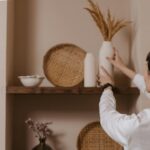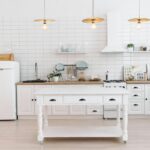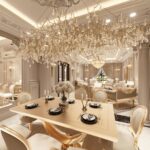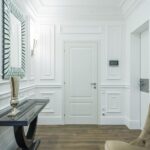
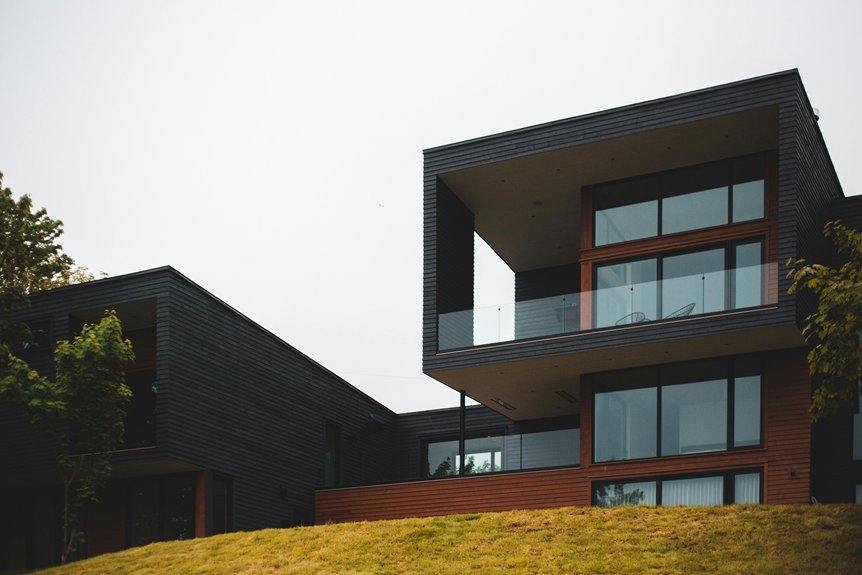
Minimalist modern houses aren’t going anywhere—they’re just evolving. What’s actually fading is that sterile, all-white aesthetic that felt more like a showroom than a home. I’ve noticed designers are ditching stark minimalism for “minimaluxe,” blending calm spaces with warmth, texture, and personality. Think natural materials, layered colors, and objects that tell your story. The bones of minimalism remain timeless, but now they’re wrapped in humanity. Keep scrolling to discover exactly how to nail this balance.
Is Minimalism Dead or Simply Evolving?
How many times have you scrolled through design Instagram only to notice that the sparse, all-white rooms everyone obsessed over a few years ago have quietly disappeared? I’ve asked myself the same thing. Here’s what I’ve discovered: minimalism isn’t dead—it’s evolving. Designers are shifting away from that sterile, totally pared-back aesthetic that dominated for about four years. Instead, they’re blending minimalism with warmth, color, and texture. Think of it as minimalism 2.0. We’re ditching the austere endpoint and treating minimalism as a starting point instead. The emerging minimaluxe concept captures this perfectly—calm, uncluttered spaces that welcome displayed objects and aged materials. We’re embracing lived-in spaces that remain purposeful. Minimalism’s not disappearing; we’re just making it work for real life.
Why Designers Say Minimalism Is Dead?
I’ve watched designers increasingly call minimalism “dead” because they’re chasing a different vibe—one that swaps cold austerity for warmth, color, and actual personality. You’ll notice this shift everywhere: instead of empty walls and sparse furniture, we’re seeing textured fabrics, layered colors, and spaces that look like people actually *live* in them. Honestly, what designers are really saying is that ultra-pared-down minimalism feels sterile now; they’d rather start with a calm foundation and build warmth into it.
The Maximalist Shift
While minimalism dominated design conversations for nearly a decade, designers are now openly declaring it dead—or at least seriously wounded. We’re witnessing a full-throttle shift toward maximalism, and it’s refreshing. Instead of bare walls and sparse furniture, we’re embracing color, texture, and personality. Think warm tones, layered patterns, and collected pieces that tell your story. This maximalist movement celebrates abundance without chaos. We’re ditching the anxiety of “Is this too much?” and replacing it with genuine comfort. Designers aren’t saying throw everything at your walls—they’re encouraging us to create spaces that feel alive. The pendulum’s swinging, and we’re discovering that rooms filled with warmth and character? They’re exactly what we’ve been craving all along.
Warmth Over Austerity
So here’s what’s actually happening: designers are burning out on the cold, austere minimalism that dominated our homes for years. They’re craving warmth now—real, lived-in spaces that actually feel comfortable. I get it. Those pristine, empty rooms looked beautiful in magazines, but they left us feeling disconnected.
Enter minimaluxe: minimalism’s warmer cousin. You’re still keeping things pared back, but you’re adding natural materials like wood and stone. Layer in textures. Display meaningful items with breathing room around them. Match your wall and ceiling colors to create a cozy cocoon effect.
The balance happens when you combine cool and warm surfaces. You’re not abandoning calm spaces; you’re making them soulful. Color, personality, and storytelling now coexist with that peaceful simplicity we loved about minimalism.
From Stark White to Warm and Textured Spaces
Why does pure white minimalism sometimes feel like living inside a hospital? I’ve learned that stark, sterile spaces drain the soul, even when they’re technically perfect. Modern minimalism is evolving, and designers are rethinking the approach.
Instead of abandoning minimalism entirely, designers like me are warming it up. We’re introducing layered textures—natural wood, aged stone, organic shapes—that add personality without clutter. I match ceiling and wall tones to create intimate spaces. Then I strategically add controlled color and display meaningful items with plenty of breathing room around them.
This “minimaluxe” approach works. You get calm simplicity plus warmth. Materials tell stories. Spaces feel inviting rather than intimidating. It’s minimalism with a heartbeat, and it’s a direction worth considering.
Minimaluxe: Minimalism With Soul and Warmth
I’ve realized that pure minimalism—all white walls and empty floors—can feel cold and unwelcoming, so I’m showing you how minimaluxe fixes that by weaving warmth back in through natural materials like wood and stone, textured fabrics, and thoughtfully curated objects that actually make a space feel lived-in. You’ll learn how to balance calm neutral colors with personality, create visual breathing room without sacrificing soul, and use aging materials that develop character over time instead of looking sterile. The real value comes when you stop treating your home like a showroom and start treating it like a sanctuary—one that’s both serene and genuinely yours.
Warmth Through Natural Materials
Here’s the thing about strict minimalism—it can feel a bit cold, like you’re living in a showroom instead of a home. That’s where natural materials come in. Wood and stone aren’t just pretty—they’re your foundation for adding warmth without cluttering your space.
I’ve found that aged wood surfaces tell stories. That weathered finish? It’s character. Same with natural stone; its texture catches light differently throughout the day, making your room feel alive.
The trick is using these materials sparingly. One statement wooden shelf. A single stone accent wall. These elements introduce tactile quality that softens clinical minimalism while maintaining those clean sight lines you love. You’re not abandoning minimalism; you’re grounding it in reality. When you create a space with these natural elements, you’re building somewhere you actually want to spend time.
Balancing Color and Calm
Natural materials provide warmth, but they’re only half the equation. Color moves minimalism beyond the sterile. You don’t need bold walls—instead, layer neutral tones strategically to create breathing room while maintaining personality.
What works:
- Match ceiling and wall colors for a cocoon-like embrace
- Use restrained color sparingly to preserve calm
- Layer aged textures that whisper rather than shout
- Choose earth tones that feel lived-in and genuine
- Balance empty space with intentional visual interest
This approach keeps minimalism from feeling cold. You’re creating spaces where emptiness feels purposeful, not lonely. The work happens through your materials and subtle color choices. That’s where minimalism develops soul.
Soul in Curated Spaces
So here’s the thing about truly beautiful minimalist spaces—they’re never actually empty. I’ve learned that soul lives in the details you choose to keep. When I curate a room, I’m not just removing stuff; I’m intentionally selecting pieces that matter. A weathered wooden shelf, aged stone surfaces, worn textures—these elements whisper stories. They’re the lived-in traces that create sparse spaces into homes where people actually want to exist. The balance between cold minimalism and warm materials generates pockets of emotion within calm. Your carefully chosen objects become conversation starters, little anchors of personality. That’s when minimalism stops feeling sterile and becomes distinctly yours. It’s the difference between empty and deliberate.
Why All-White Everything Became Yesterday’s Trend?
When’d we all decide that living in a blank canvas was the ultimate goal? I get it—white felt safe, clean, sophisticated. But here’s the thing: sterile isn’t the same as stylish.
Designers are ditching the all-white monotony because turns out, personality matters. We’re craving spaces that actually feel inhabited, not sterile. The shift looks like this:
Designers are ditching all-white monotony because personality matters. We’re craving spaces that actually feel inhabited, not sterile.
- Bold olive greens replacing pristine sofas
- Retro browns bringing warmth back
- Layered textures breaking up the flatness
- Natural materials paired with white strategically
- Color-drenched rooms gaining acceptance
White’s still hanging around—just not alone anymore. It’s become a foundation rather than the whole story. Balance beats blank every time. We’re trading clinical perfection for inviting spaces that feel lived-in and real.
The Return of Pattern, Color, and Visual Depth
If minimalism taught us that less is more, we’re now learning that less doesn’t have to mean boring. I’m embracing pattern like never before—and you should too. We’re ditching the all-white monotony by layering bold botanicals with subtle stripes, mixing leopard prints alongside calm neutrals. It’s honestly liberating. Pattern brings your space alive without creating chaos. Think of it as seasoning: a pinch alters the meal. You’re adding visual depth and personality to rooms that still feel serene. Aged materials and textured layers keep things grounded while your patterned curtains, rugs, and bedding do the heavy lifting. This isn’t about abandoning calm—it’s about making minimalism actually livable. Pattern makes spaces feel inhabited.
How to Design Minimal Spaces That Feel Livable?
they can feel cold and sterile if you’re not intentional about it. I’ve learned that livable minimalism—what designers call “minimaluxe”—balances restraint with warmth. You’re creating calm without sacrificing personality.
Here’s how I approach it:
- Introduce natural materials like wood and stone for texture and depth
- Layer contrasts (smooth against rough, warm against cool) to add visual interest
- Curate displays thoughtfully with breathing room around each piece
- Match walls and ceilings to cocoon your space while maintaining openness
- Embrace aging materials that show character and lived-in traces
The key? You’re not removing everything—you’re being selective. Each item earns its place. This middle ground between strict minimalism and maximalism lets your space feel both serene and genuinely yours. That’s where real comfort lives.
Real Life First: Abandoning the Curated Aesthetic
Why do we keep pretending our homes don’t have actual humans living in them? I’ve realized that minimalism isn’t about sterile perfection anymore—it’s about real life. Your space should showcase who you actually are, not who you think you should be. That means displaying photos, keeping your favorite books visible, and letting your personality come through. You don’t need to hide the things you love just to maintain a curated look. The shift toward “Real Life First” means embracing warmth and texture alongside clean lines. Your mementos matter. Your routines matter. A lived-in home feels inviting because it represents genuine human existence. That’s where true comfort lives—not in empty spaces designed for social media, but in rooms that belong to you.
Timeless Minimalism: Key Design Principles That Endure
So there’s the thing about timeless design—it doesn’t actually require you to strip your home down to four white walls and a single chair. Real minimalism thrives when you blend intention with warmth. I’ve learned that enduring spaces aren’t cold or sterile; they’re breathing rooms filled with purpose.
The principles that stick around:
- Clutter reduction creates calm without feeling empty
- Natural materials like wood and stone add depth and texture
- Neutral palettes provide peaceful backdrops for living
- Balanced contrasts prevent monotony
- Purposeful displays show what matters to you
You’re not abandoning minimalism; you’re evolving it. Think “minimaluxe”—spaces that feel collected, warm, and genuinely lived-in. That’s the version that lasts. It’s minimalism for actual humans, not magazine spreads.