True luxury isn’t cramming expensive stuff everywhere—it’s picking materials you can actually touch and seeing skilled craftsmanship in every corner. I’ve found that elegance comes from layering lighting thoughtfully, choosing quality over quantity, and letting your personal story shine through custom details. Hardware acts like jewelry, finishes tell a cohesive story, and spaces feel deliberate rather than showroom-sterile. When architecture, design, and construction align from day one, everything works together.
Let’s explore what actually makes spaces feel refined and lasting.
What Defines a Luxurious Interior Space?
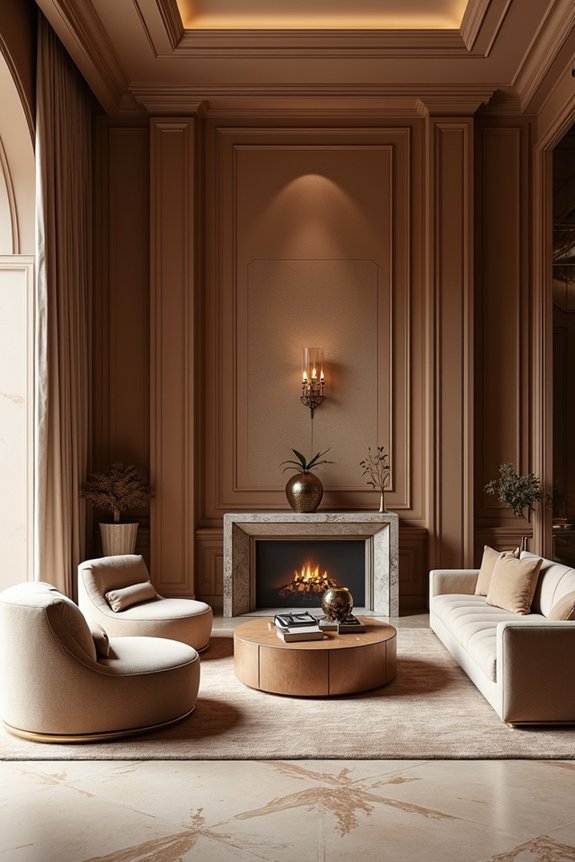
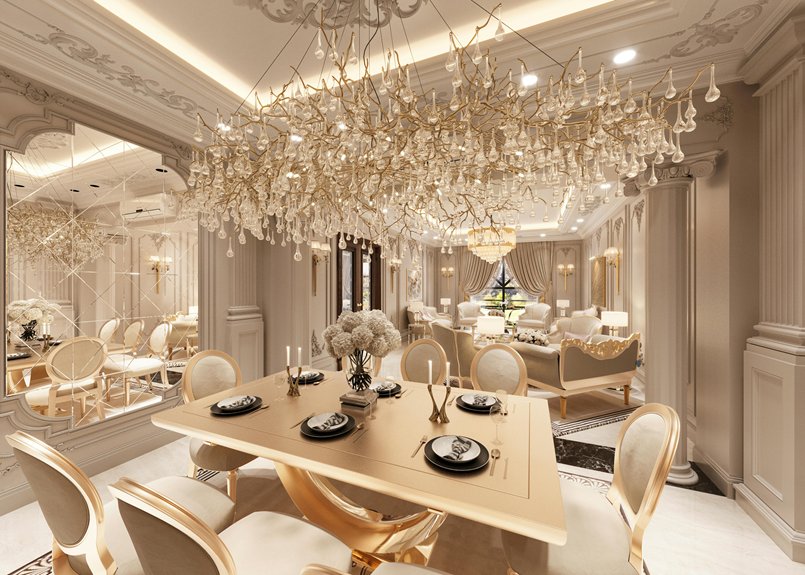
Layered lighting works through combining ambient, task, and accent lighting to create warmth and highlight textures. It’s like adding dimension to a flat wall.
Choosing pieces you’ll love in ten years matters most. Bespoke millwork and one-of-a-kind finds create exclusivity without clutter. It’s less about having everything and more about choosing the right *something*. That’s where belonging happens—in spaces built around what you actually want.
Scale, Balance, and Proportion: The Foundation of Luxury
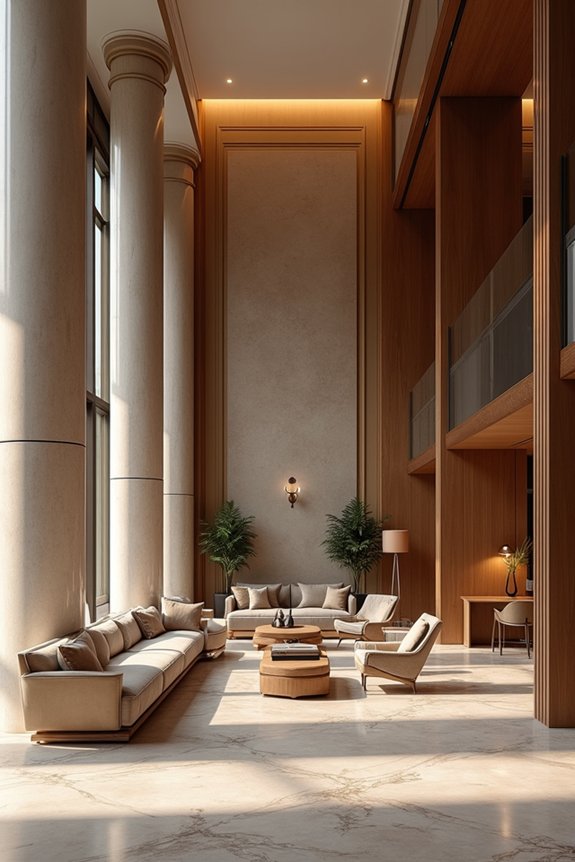
Harmony isn’t something you stumble into—it’s something you build, piece by piece. I’ve learned that true luxury hinges on three interconnected elements: scale, proportion, and balance. When you get these right, every item in your room operates with purpose and distinction.
| Element | What It Means | Why It Matters |
|---|---|---|
| Scale | Furniture size relative to your space | Prevents oversized pieces from dominating |
| Proportion | Relationship between all design elements | Creates visual rhythm and cohesion |
| Balance | Strategic placement and distribution | Prevents rooms from feeling cluttered |
Each piece you select should earn its place through thoughtful contribution. I work with experienced designers who align architectural features with furnishings from day one. This early collaboration prevents costly missteps. You’re not decorating randomly—you’re orchestrating a refined atmosphere where nothing competes for attention.
Comfort and Elegance Without Coldness
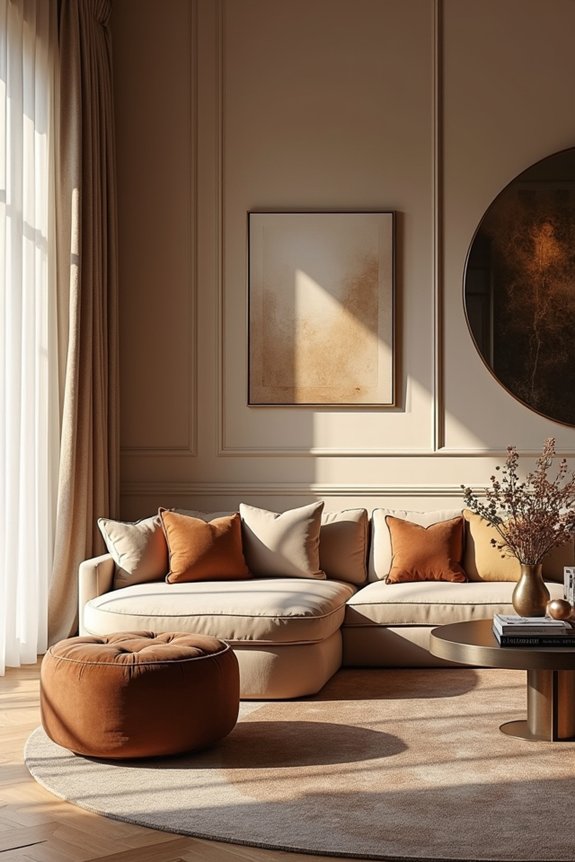
I’ve learned that true luxury doesn’t mean your space should feel like a museum where you’re afraid to sit down—it’s about creating rooms that look expensive yet feel genuinely livable. You’ll want to layer in plush textures, soft lighting, and quality materials that whisper sophistication rather than shout it, because there’s nothing elegant about a space so cold that guests perch on the edge of furniture like they’re waiting for a dentist appointment. The key is balancing that refined aesthetic with pieces and moments that actually invite you to relax, curl up, and enjoy the beauty around you.
Warmth Through Thoughtful Curation
How do you keep a luxury space from feeling like a showroom nobody’s allowed to touch? You curate intentionally.
I’ve learned that luxury textures—velvet, shearling, quality fabrics—make spaces feel inviting, not intimidating. Layering ambient lighting alongside task and accent lights creates warmth that flat, bright fixtures can’t match. It’s the difference between a room you admire and one you actually want to live in.
Your curated materials matter too. Natural stone, solid woods, and high-quality upholstery speak luxury through tactile richness. But here’s the thing: thoughtful placement prevents overwhelming clutter. A balanced mix of textiles and accessories creates cohesion without feeling staged.
The sweet spot? When every piece sparks both joy and confidence in its quality. That’s when luxury stops feeling cold and becomes genuinely yours.
Texture and Soft Lighting
When you walk into a luxury space that actually feels good—not sterile or untouchable—there’s almost always soft texture and thoughtful lighting doing the heavy lifting behind the scenes. I’ve learned that plush velvet, fur, and shearling aren’t just pretty; they bring cold elegance into genuine comfort. Layer your lighting with ambient, task, and accent sources to highlight these textures’ tactile qualities. Warm color temperatures and dimmers create inviting atmospheres that let your materials breathe. Strategically place throws, cushions, and drapery to add depth without cluttering. The quality lies in keeping a neutral foundation with subtle color accents—this approach keeps your texture and soft lighting choices reading as sophisticated rather than overdone. That’s when luxury interior design actually welcomes you in.
Make It Yours: Adding Personal Touches That Matter
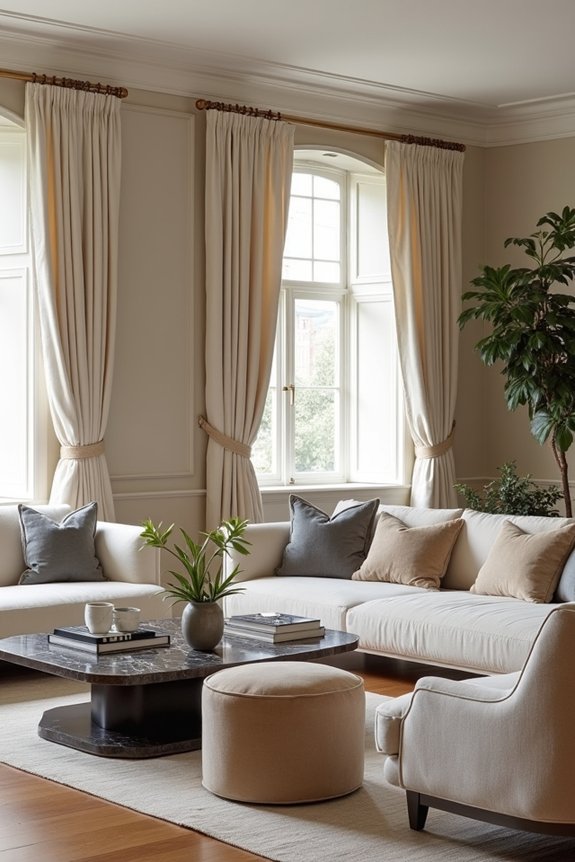
I’ve learned that luxury doesn’t mean following someone else’s blueprint—it means building a home that actually tells your story. You’ll want to think about what makes you unique: whether that’s gathering pieces that reflect your tastes, choosing custom elements that catch attention, or blending current finishes with timeless bones so your space stays relevant. The sweet spot is letting your personality come through without chasing every design trend that comes along.
Curating Your Signature Style
Why settle for a space that looks like every other magazine spread you’ve scrolled past?
Your home deserves to reflect who you actually are. I’ve learned that curating your signature style means blending personal touches with deliberate design choices. Start by selecting bespoke furniture pieces that speak to your aesthetic—those items that make you pause and think, “Yes, that’s me.”
Layer in understated elegance through custom millwork and handcrafted details. These elements whisper rather than shout, creating authenticity without overdoing it. Choose a color palette that feels personal, then anchor it with thoughtful textiles and curated accessories.
Everything works together when each piece belongs. Your signature style isn’t about following trends; it’s about creating a space where every element has purpose—one that genuinely feels like home.
Custom Elements Reflect Identity
Custom millwork and bespoke furniture create spaces that reflect who you actually are. I’m talking handcrafted cabinetry that fits your life, not someone else’s Pinterest board. One-of-a-kind lighting and tailored textiles communicate your lifestyle without saying a word.
| Element | Off-the-Shelf | Custom Approach |
|---|---|---|
| Cabinetry | Generic finishes | Handcrafted details |
| Furniture | Mass-produced | Bespoke pieces |
| Color palette | Trendy | Personal identity |
| Lighting | Standard fixtures | Unique statement pieces |
The value comes from adding surprising tweaks that prevent your space from looking like everyone else’s. A carefully chosen color palette paired with custom elements creates that personalized, luxe feel. Your room becomes distinctly yours.
Balancing Trends With Timelessness
How do you keep a room from looking dated in five years? Start with timelessness as your foundation. I’ve learned that solid materials like marble and wood withstand trends beautifully. They’re your anchor.
Next, build a cohesive palette using neutrals as your base. This isn’t boring—it’s practical. Layer in selective deep-hue accents like navy or emerald through textiles and art rather than permanent fixtures. You can swap these out easily.
Here’s the approach: integrate trends functionally, not aesthetically. Upgraded lighting and smart controls feel current without screaming “2024.” Skip trendy finishes on major pieces.
Finally, choose quality over quantity. One exceptional, purposefully placed item beats a room full of mediocre trend-chasing. Your space stays relevant because it’s well-designed, not because it blindly follows every social media moment.
Strategic Placement Over Excess
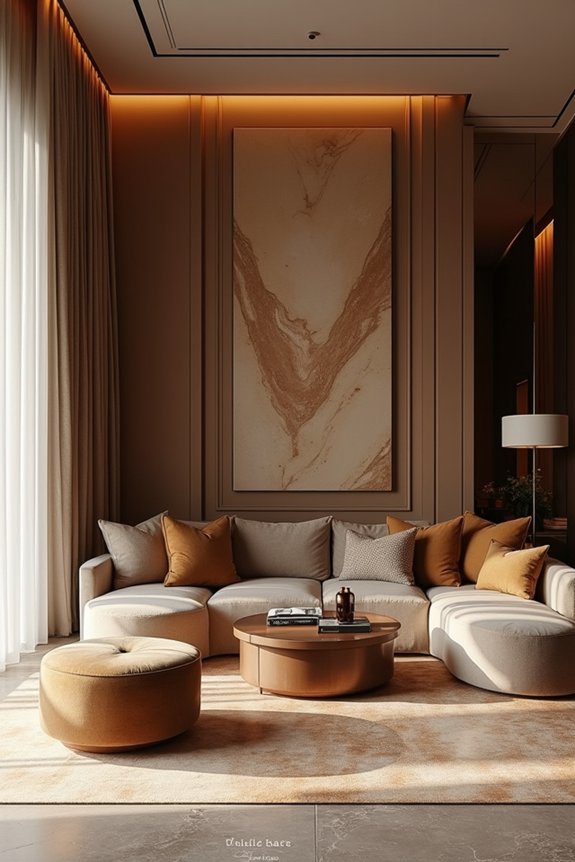
When’s the last time you walked into a room packed with expensive furniture and felt relaxed? Me neither. That’s because true luxury isn’t about quantity—it’s about strategic placement. I’ve learned that one perfectly positioned piece beats ten mediocre ones every time. Balance matters here. You’re arranging furniture to create flow, not fill space. Think about scale: a massive sofa needs breathing room, not a crowd of tables surrounding it. Your pieces should connect through color, style, and purpose. Spacing items thoughtfully actually highlights their value. When each element earns its spot, your room feels intentional. That’s when elegance happens.
High-Quality Materials and Timeless Craftsmanship
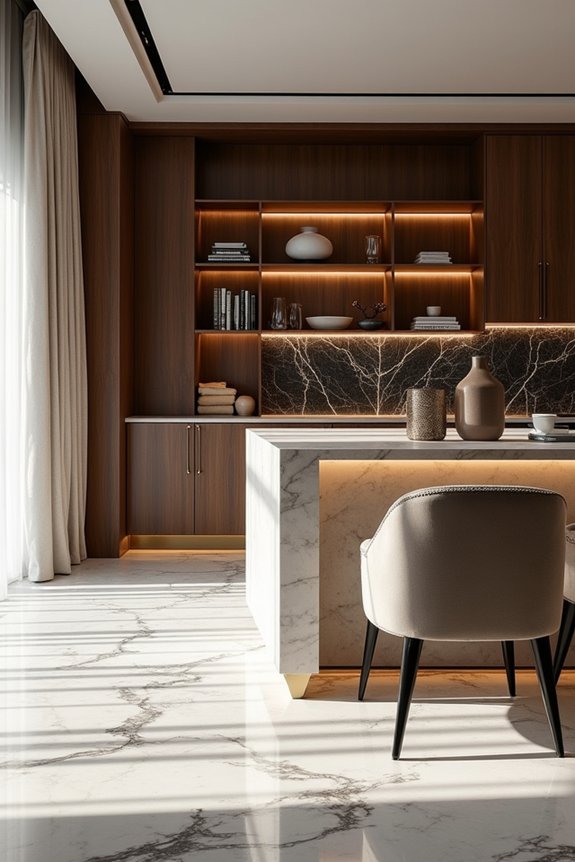
When you’re building a truly luxurious interior, I’ve learned that skipping on material quality is like buying cheap shoes—you’ll feel the regret every single day. The foundation of any space that’ll actually last comes down to choosing materials and craftsmanship you’re willing to invest in, whether that’s marble countertops that age beautifully or handcrafted millwork that shows real skill. Think of it this way: a well-made piece becomes more valuable over time, while shortcuts fade fast and leave you disappointed.
The Foundation of Quality
True luxury doesn’t whisper—it speaks through materials you can touch and craftsmanship you can see. I’ve learned that real elegance starts with intentional choices that stand the test of time.
Here’s what separates truly luxurious spaces from merely expensive ones:
- Natural stone and solid hardwoods create surfaces that age beautifully and prove their worth year after year
- Handcrafted details in hardware, trims, and finishes reveal the care invested in every corner
- Bespoke millwork and custom cabinetry create rooms that feel distinctly personal and built specifically for you
When you invest in quality materials and genuine craftsmanship, you’re not just decorating—you’re building legacy. These aren’t trendy choices that’ll feel dated next season. They’re the foundation of spaces that communicate clearly about who you are and what you value.
Craftsmanship as Investment
Think of quality materials and skilled workmanship as the difference between buying a suit off the rack and having one tailored to fit your body perfectly. When you invest in bespoke pieces and premium materials, you’re not just decorating—you’re building a home that’ll outlast trends and your questionable design choices from five years ago.
| Material | Durability | Visual Impact |
|---|---|---|
| Natural Stone | 50+ years | Enduring elegance |
| Solid Hardwood | Generations | Warm sophistication |
| Marble Countertops | Decades | Luxe statement |
| Brass Fixtures | Indefinite | Golden refinement |
| Handcrafted Cabinetry | Lifelong | Bespoke character |
True craftsmanship means clean lines, precise joints, and finishes that are deliberate. You’ll notice the difference immediately—quality doesn’t whisper; it speaks through every detail. That’s where belonging happens: surrounded by pieces that genuinely match who you are.
Layered Lighting as a Design Essential
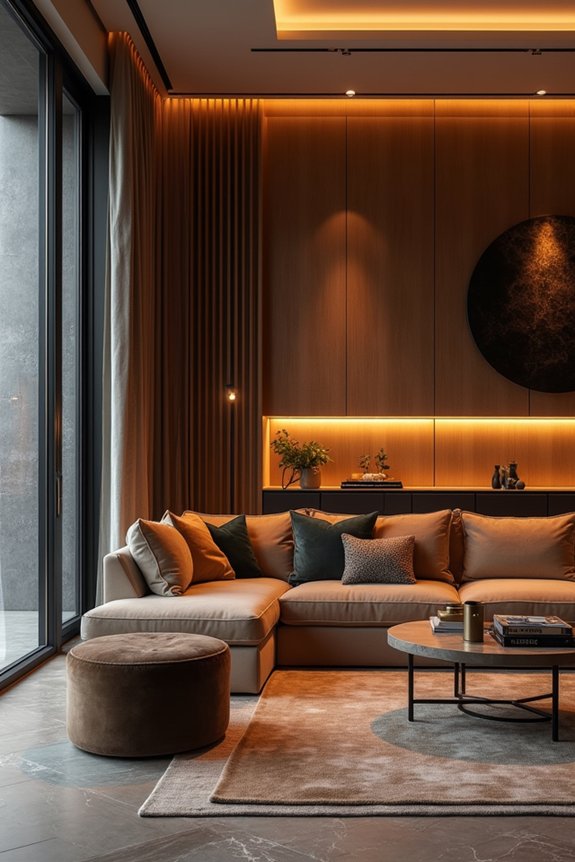
How’s this for a worthwhile idea: I used to think one overhead light was enough to brighten a room, and honestly, my spaces looked about as inviting as a parking garage. Then I discovered layered lighting, and everything changed.
Here’s what improved my interiors:
- Ambient lighting provides foundational glow throughout the room
- Task lighting focuses brightness where you actually need it
- Accent lighting showcases textures and artwork beautifully
I now use multiple fixtures at varying heights to create depth and warmth. Sculptural lamps became functional art pieces. But here’s the practical advantage: dimmers. They let me shift my room’s mood instantly—bright for cooking, soft for unwinding. You’re not just installing lights anymore; you’re designing an experience. That’s what separates ordinary from truly luxurious spaces.
Anchor Rooms With Statement Pieces
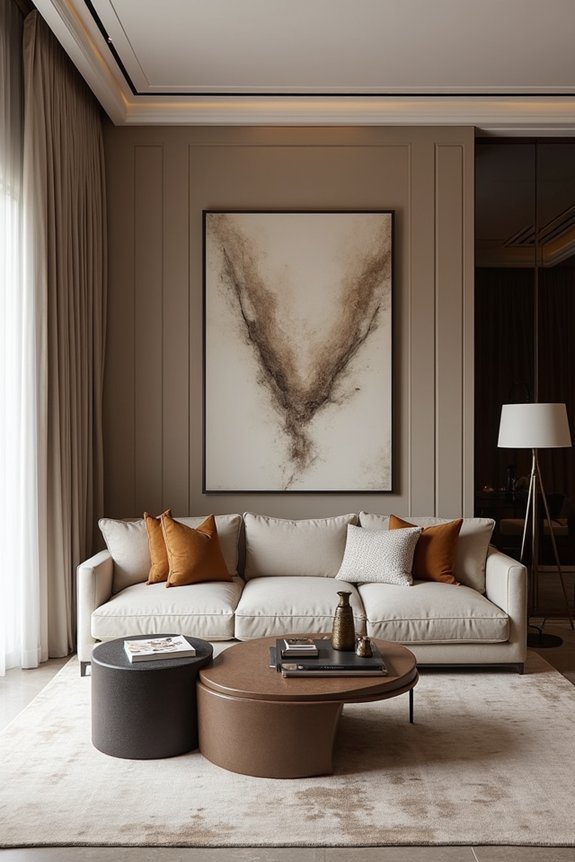
Why do some rooms feel purposeful while others feel scattered? I’ve learned the approach: anchor pieces. Instead of filling spaces with random decor, I invest in a few high-impact focal points—think exceptional flooring, dramatic windows, or luxurious seating. These key furniture pieces ground the room and set the sophisticated tone.
I choose anchor pieces with superior craftsmanship and cohesive materials. Each item must earn its place. Then I layer lighting around them—ambient, task, and accent—to highlight textures and create depth. This approach creates rooms that are thoughtfully designed rather than cluttered.
You don’t need everything. You need the right everything. Quality over quantity matters in creating spaces that feel deliberately elegant.
Custom Elements That Reflect Your Lifestyle
Once you’ve anchored your rooms with those statement pieces, personalization happens when you customize every element to match how you actually live. This is where your space becomes genuinely yours.
Consider these personalization strategies:
- Custom millwork and cabinetry — built-in solutions that fit your exact needs, whether you’re displaying collections or hiding clutter
- Bespoke lighting — handcrafted fixtures that illuminate your lifestyle rather than just a room
- Handcrafted surfaces — natural stone, solid hardwoods, and artisan tile that demonstrate intentionality
When you select finishes reflecting your daily routines and preferences, your home stops feeling like a showroom. That cohesive color palette you’ve chosen? It tells your story. These custom elements—your custom millwork, bespoke choices, handcrafted details—they’re not decorating; they’re documenting who you are.
How Color Palettes Create Refinement
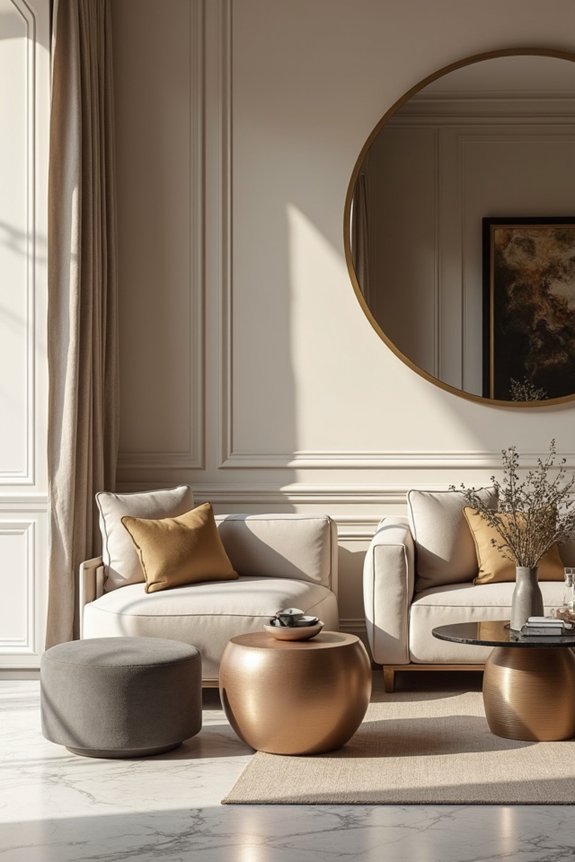
Here’s the thing about color—it’s either your ace in the hole or your downfall, and there’s rarely an in-between. I’ve learned that a strong neutral palette grounds everything. Beige, gray, and white create breathing room, letting your deep-hue accents do the heavy lifting.
| Color Type | Examples | Purpose |
|---|---|---|
| Neutral Base | Beige, Gray, White | Create serene backdrop |
| Deep Accents | Navy, Emerald, Burgundy | Add opulence and depth |
| Supporting Tones | Soft taupe, Cream | Enhance cohesion |
| Metallic Finishes | Brass, Gold, Silver | Bring tactile luxury |
Your color strategy isn’t just about picking pretty shades. It’s about guiding every element—furniture, textiles, finishes—toward sophistication. When you align colors with marble, velvet, and brass, you’re not chasing trends. You’re building refinement that actually belongs in your space.
Don’t Overlook the Small Things: Hardware and Finishes
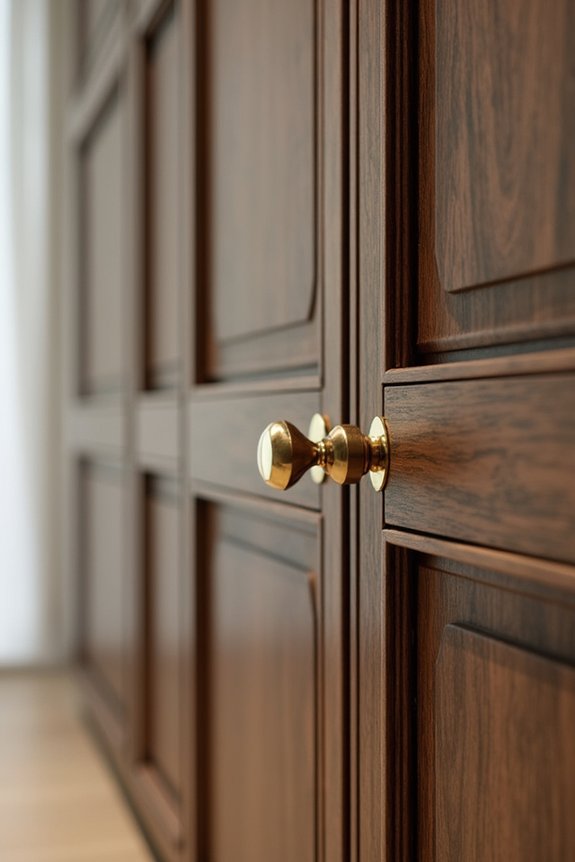
You’ve locked down your color palette, and now your walls whisper sophistication. But here’s what I learned the hard way: hardware and finishes matter deeply to that elegance.
Think of hardware as the jewelry of your interior. Small pulls and knobs echo finishes across your fixtures, creating visual unity. I’m talking:
- Brushed brass pulls that mirror your lighting fixtures
- Matte black knobs reinforcing cabinet hardware
- Gilded hinges strengthening your luxe aesthetic
Precise matching matters—high-polish chrome demands consistency everywhere. Skip mass-produced pieces; artisan-made hardware lasts longer and feels substantial in your hand. These details seem minor until you notice how they unify everything. That’s when you realize you’re not just decorating—you’re building a space where elegance lives in the smallest choices.
Align Architecture, Design, and Construction From the Start
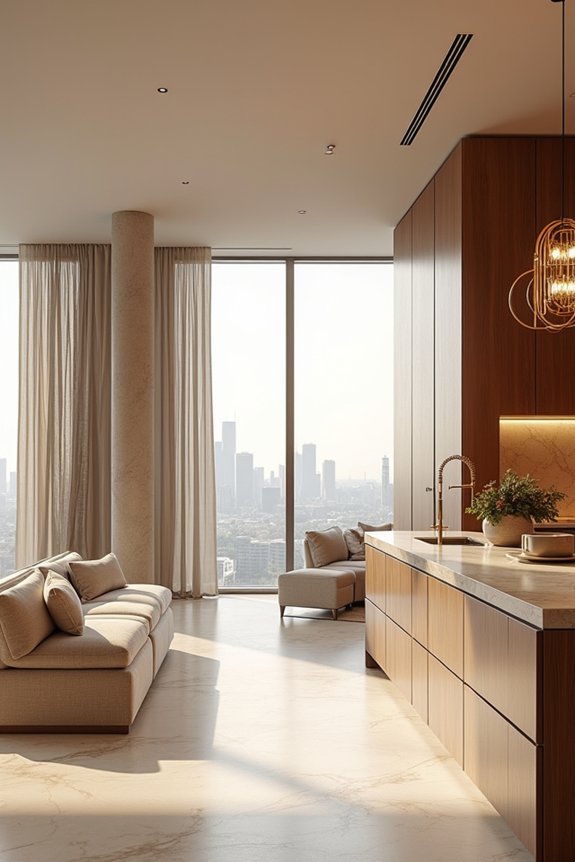
What happens when your architect designs a detailed ceiling, but your interior designer’s lighting plan doesn’t account for it? You’ve got a problem. I’ve learned that luxury projects demand early alignment across all disciplines. When architecture, design, and construction coordinate from day one, results follow. Your interior designer works alongside the architect to verify room layouts, finishes, and electrical specs harmonize with structural elements. This integration prevents costly rework later. You’re not just building a house—you’re orchestrating a fully resolved residence that feels custom and refined. Every decision supports the others. Hardware choices complement cabinetry. Lighting enhances architectural details. The result? A home that reflects your lifestyle from the moment you step inside, without surprises or compromises.
Begin Your Luxury Design Project
Starting a luxury design project isn’t about hiring the best people and hoping they’ll figure it out—it’s about bringing them together from day one so they’re all solving the same puzzle.
You’ll want to establish cohesion by aligning your architect, interior designer, and builder before any major decisions get locked in. This collaboration prevents costly conflicts and keeps customization focused on your lifestyle rather than appearance alone.
Here’s what I recommend prioritizing:
- Define finishes and room plans early with your interior designer so spaces serve their intended purpose with precision
- Schedule unified meetings where architects, designers, and builders discuss ceiling details, cabinetry, and electrical plans together
- Create a white-glove process where experienced professionals curate every decision with precision
When you invest in this upfront alignment, you’re building a foundation where every choice reinforces your luxury vision rather than working against it.