
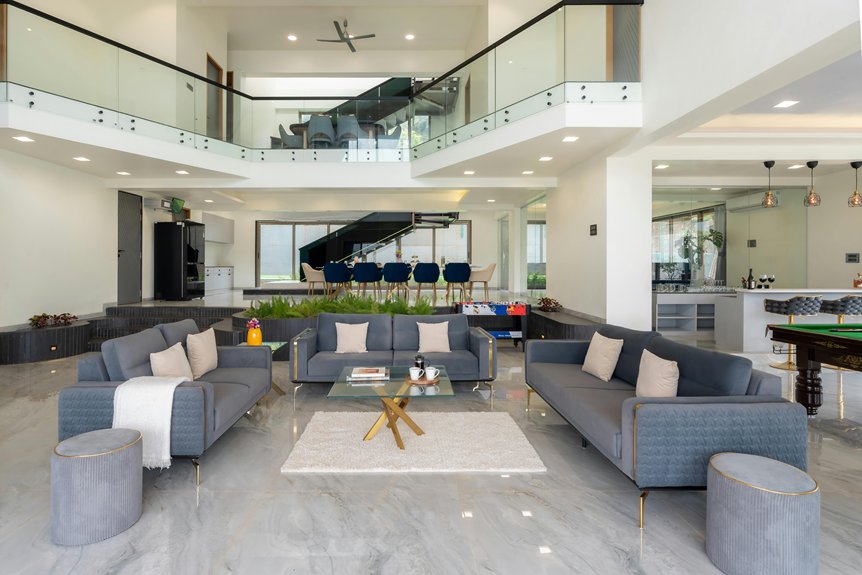
Most luxury homes sell bare—just walls and floors—so you’re building from scratch. But in competitive markets like Hawaii and LA, you’ll occasionally find turnkey options with designer furniture already installed. Here’s the catch: that convenience comes with a 30-50% markup on top of the base price. Buyers appreciate the immediate move-in appeal, though you’re paying premium prices for speed. If you have questions about whether that premium makes sense for your situation, there’s plenty more to consider.
Are Luxury Homes Usually Furnished? What the Market Actually Shows
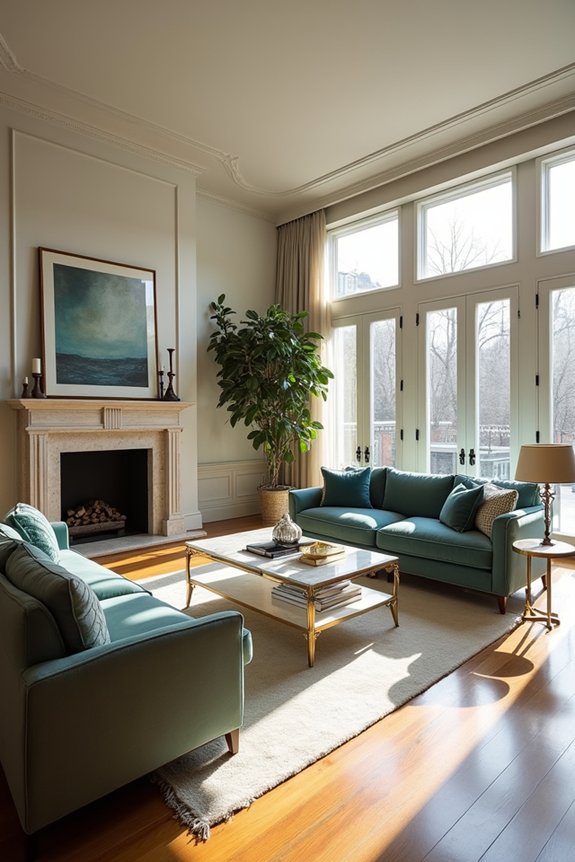
How often do you actually find a luxury home that’s move-in ready with all the fancy furniture already waiting for you? The truth is, it’s not as common as you’d think. Market trends show that furnished turnkey luxury homes exist, but they’re selective. Most luxury homes sell as bare walls, letting buyers customize everything themselves. However, I’ve noticed something interesting: in competitive markets like Hawaii and Los Angeles, sellers sometimes offer furnished turnkey options to stand out. These packaged deals appeal to busy buyers who want immediate availability. The catch? Designer markups can hit 30% on furnishings, which actually might hurt your bottom line. So while furnished luxury homes aren’t the norm, they’re becoming a more practical strategy for sellers targeting convenience-focused buyers.
The Two Types of Furnished Luxury Homes: Staged vs. Custom-Designed
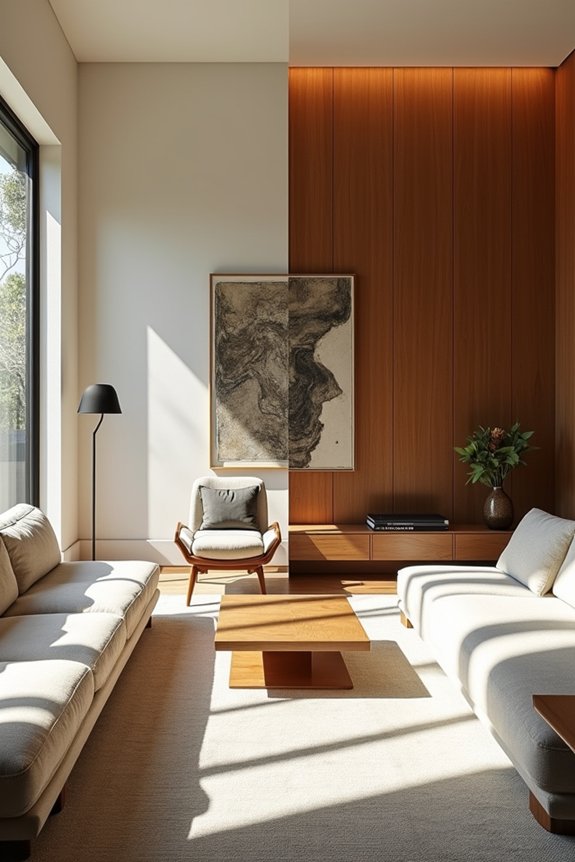
When you’re shopping for a furnished luxury home, you’re really choosing between two fundamentally different approaches—and they’ll shape your entire buying experience.
Staged furnishings prioritize speed and convenience. You get turnkey delivery with everything installed, ready to move in immediately. There’s about a 30% designer markup, but you’re paying for that service without delays.
Custom-designed spaces tell a different story. These homes feature owner-selected pieces tailored specifically to the architecture and light. You’re getting personalization that reflects your actual preferences.
| Aspect | Staged | Custom-Designed |
|---|---|---|
| Timeline | Quick turnkey delivery | Longer customization process |
| Cost | 30% markup included | Variable, owner-controlled |
| Buyer Appeal | Speed-focused buyers | Individuality seekers |
Your choice depends on what matters most: immediate gratification or distinctive personality that commands premium prices in high-end markets.
What Furnished Homes Cost Buyers: Designer Markup Explained
When you’re eyeing that gorgeous furnished luxury home, I’ll level with you—you’re not just paying for the furniture itself, but a designer markup that typically runs 30% or higher on top of the base price. What makes this sting a bit is that those stylish pieces carrying the “turnkey” label often come with a hidden 50% markup, meaning you’re paying premium prices for the convenience of not having to shop around yourself. Before you sign on the dotted line, you’ll want to honestly weigh whether saving time on decorating and installation is worth the higher final purchase price.
Designer Markup Price Premium
Ever wonder why that beautiful model home with all its gorgeous furniture costs so much more than the one next door?
Here’s the thing: designer markup on furnished homes typically runs 30% higher than base prices. That’s the cost of those stylish pieces plus the convenience of turnkey furnishings. Real-world examples show even steeper markups—sometimes hitting 50% beyond the base home price.
You’re paying for someone else’s design expertise and the time you’ll save. No hunting for couches or coordinating colors. Everything arrives ready to use.
But here’s where you need to pause: that price premium might be steeper than you’d pay shopping independently. The trade-off? Immediate availability and move-in readiness. Weigh whether the turnkey convenience justifies what you’re actually spending on furnishings versus their real-world value.
Hidden Costs For Buyers
Beyond that initial sticker shock, furnished homes carry a bunch of hidden expenses that’ll surprise you if you’re not careful. When you buy a fully furnished, turnkey property, you’re not just paying for the house—you’re bankrolling that designer markup too. That price premium can hit 30% or higher, honestly. Here’s the thing: you’re paying for convenience, sure, but also for someone else’s furniture choices and installation costs. Those model-home furnishings? They often carry premiums exceeding typical home pricing. Plus, maintaining all that stuff costs money. Think replacements, repairs, and upgrades. I learned the hard way that what feels turnkey upfront becomes a financial headache later. Weigh that convenience against ongoing expenses before committing.
Why Sellers Lose Money Bundling Furnishings (And How to Avoid It)
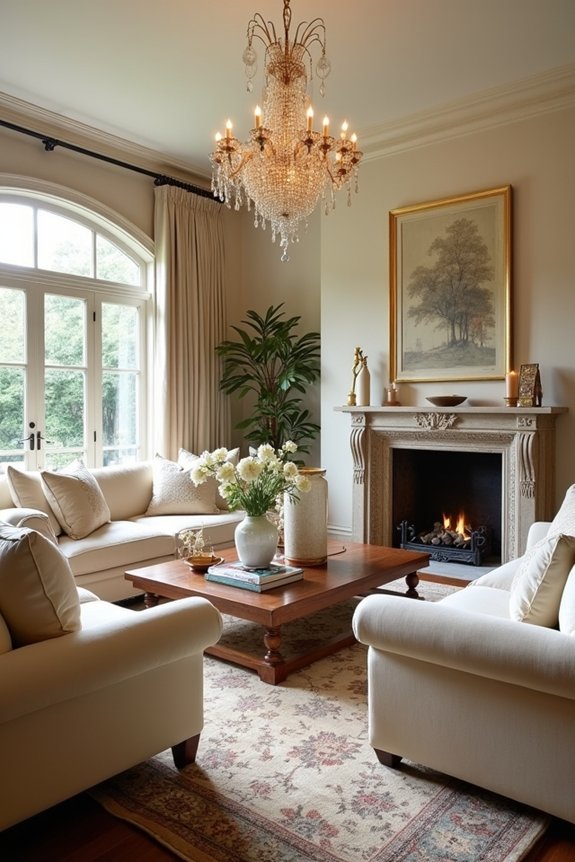
When you bundle furnishings with a home sale, you’re inviting buyers to negotiate a package deal—and they’ll almost always expect a discount that cuts into your profits. I’ve seen this play out countless times: sellers think they’re adding value by including designer pieces, but they’re actually leaving thousands on the table compared to what those same items would fetch sold separately. The real trick is knowing when to keep furnishings as part of the package and when to break them out for individual sales, because that decision alone can be the difference between walking away with $1,500 or $5,000.
The Bundling Discount Problem
Why do so many sellers watch their carefully curated furnishings sell for a fraction of what they’re worth? I’ve seen it happen repeatedly, and the culprit is what I call the bundling discount problem. When you package furniture together—whether it’s designer pieces, area rugs, or that sofa you loved—buyers almost always undervalue the total package. They’re paying a premium for convenience, sure, but not enough to recover your investment. I watched a New York estate sale bundle everything together and net only $1,500 when separate sales could’ve yielded $5,000. The markup you paid for that turnkey appeal? It doesn’t transfer to the buyer’s wallet. That’s where flexibility saves you.
Separate Sales Generate Higher Returns
Bundling furnishings with a home sale almost always means leaving money on the table. I’ve seen it happen repeatedly—sellers accept $1,500 for an entire estate’s contents when those same items could’ve brought $5,000 sold separately. The math is brutal.
When buyers purchase a furnished home, they’re doing you a favor, not the other way around. They know you’re desperate to unload everything, so they lowball aggressively. You’re forced into their game.
Instead, separate your strategy. Sell the house as a house. Then tackle furnishings independently through online marketplaces, auctions, or estate sales on your terms. Yes, it takes more effort. But you’ll actually pocket the proceeds your belongings deserve. That’s not just smart—it’s necessary.
Estate Sale Valuation Pitfalls
How much is your furniture actually worth? I’ll tell you: probably way more than you’ll get bundling it with your home sale. Real estate agent Bruce Ailion watched a buyer snag an entire furnishing package for roughly $1,500. That same stuff? Easily worth $5,000 sold separately. That’s a $3,500 loss you didn’t anticipate. When you bundle furnishings into your estate sale, you’re locking yourself into lowball offers. Buyers know they’re getting a deal, so they lowball harder. Designer pieces and model-home furnishings depreciate quickly after purchase, amplifying your losses. The solution is straightforward: evaluate each item’s actual value and consider selling furnishings independently after closing. Your wallet will benefit.
Financing a Furnished Home: House Loan vs. Furniture Loan
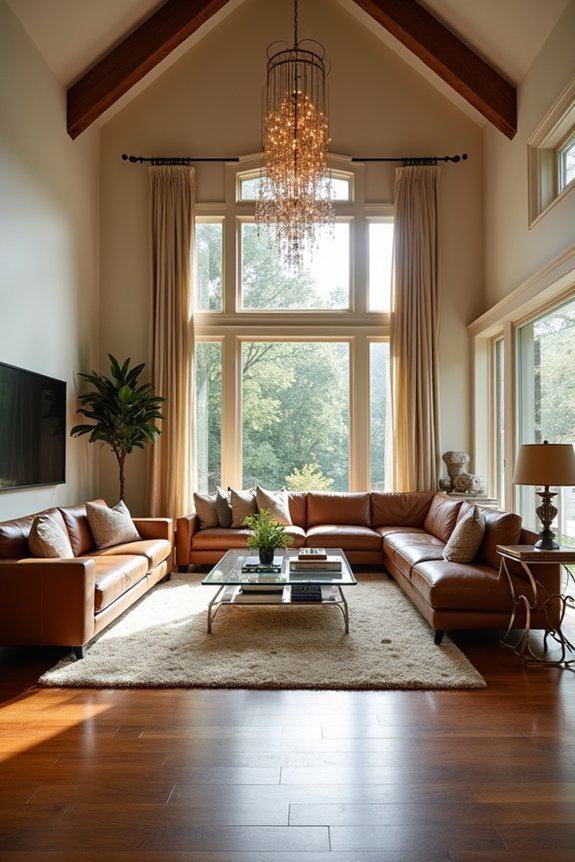
When you’re looking at that luxury home complete with designer furnishings, most people don’t realize: your mortgage and your furniture are two totally different financial animals.
I didn’t know this either until I started researching. Your house loan covers the building itself. The furniture? That’s separate. You might need a chattel mortgage specifically for those fancy pieces. Here’s what matters: lenders evaluate homes and furnishings differently. Your home’s appraisal affects mortgage approval, while furniture financing depends on its assessed value and your creditworthiness.
| Financing Type | Covers | Interest Rate |
|---|---|---|
| Standard Mortgage | House structure only | Lower |
| Chattel Mortgage | Furniture/movables | Higher |
| Combined Approach | Both (two documents) | Varies |
| Furnished Home Loan | Bundled option | Moderate |
| Separate Loans | Split financing | Mixed rates |
You’ll likely need two documents to close. Plan accordingly.
Furnished vs. Unfurnished: Which Strategy Works for Your Goals?
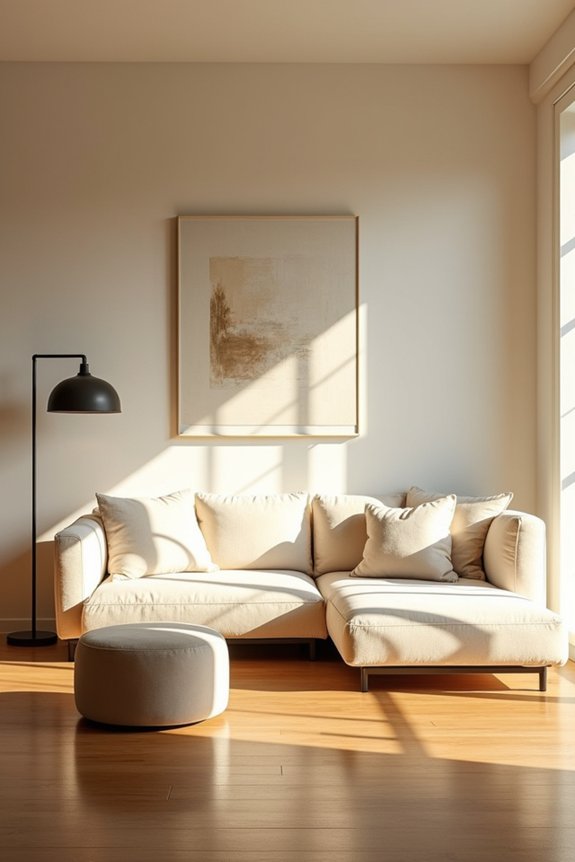
So the point is: whether you furnish your luxury home or sell it bare depends entirely on what you’re trying to accomplish.
If you’re after speed and multiple offers—like the Shannon Beador situation where furnished won out—then furnishing works. You’ll attract buyers who want turnkey convenience. But here’s the trade-off: designers typically markup furnishings about 30%, meaning you’re paying premium prices for that ease.
Selling everything as a bundle? You’ll probably lose money. That 55+ condo netted only $1,500 for all furnishings bundled together. Sell items separately, though, and you might reach $5,000.
For high-end homes, customized furnishings from interior designers add perceived value. They’re a selling point, especially in competitive markets like Hawaii where buyers want immediacy.
Consider your timeline and buyer profile first.
Custom Furnishings That Justify the Premium Price Tag
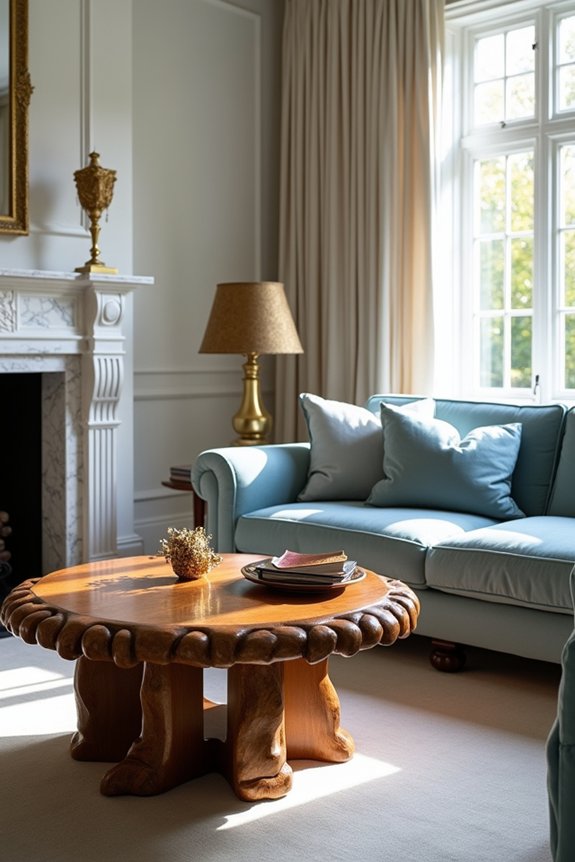
What separates a $10 million home that sits on the market from one that sells in weeks? Custom furnishings. I’ve learned that luxury buyers aren’t just purchasing walls—they’re buying character and lifestyle. When a home features bespoke rugs, tailored curtains, and built-in bookcases designed specifically for the space, it tells a story. That unified aesthetic communicates quality and intention to potential buyers. Designers call this the “turnkey convenience” factor. Buyers see a ready-made masterpiece rather than an empty shell requiring months of work. The personalization and attention to detail position a property as something worth aspiring toward. Including curated furnishings in your listing price positions your home as a complete package—one that discerning buyers recognize as worth every penny.