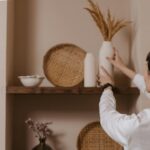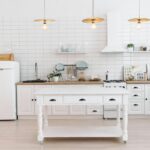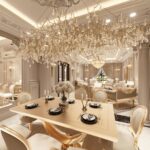
Modern boho ditches the “more is more” chaos for intentional curation—think clean lines paired with bohemian warmth. I anchor spaces with neutral foundations (whites, creams, light grays), then layer in natural materials like rattan and wood, strategic jewel-tone accents, and carefully mixed patterns that actually work together. It’s maximalism with restraint: fewer focal points, more purpose. Plants become design anchors, vintage finds tell your story, and warm lighting ties everything together into something of your own.
What Defines Modern Boho Decor?
Ever wonder what separates modern boho from just throwing a bunch of mismatched stuff together and calling it eclectic?
Modern boho isn’t eclectic chaos—it’s intentional design that blends contemporary style with bohemian soul.
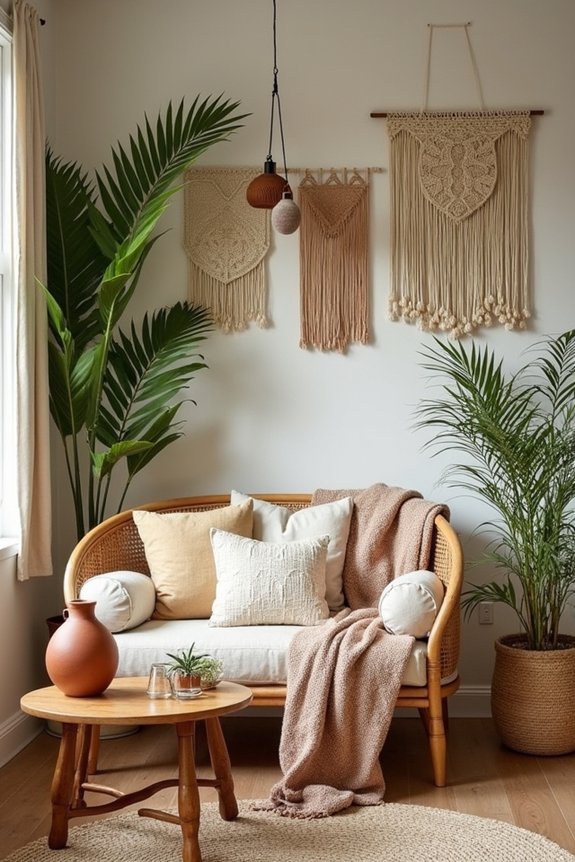
It’s all about intention. Modern boho deliberately blends contemporary furniture with bohemian soul—and that’s what makes it work. You’re anchoring your space with clean lines while layering patterns and textures through global textiles and hand-woven fabrics.
Your color palette becomes your foundation: whites, browns, and greens grounded by jewel-toned accents that warm things up. Natural materials like rattan, wood, and jute aren’t just decoration—they’re your design language.
Here’s what sets it apart: you’re telling your story through personal objects and vintage finds. Those pieces matter because they’re *yours*. You’re balancing maximalism with restraint, choosing standout items carefully. This restraint prevents chaos while keeping that lived-in, belonged-in feeling alive.
From Bohemian to Modern Boho: What’s Changed?
Traditional bohemian style was all about more—more patterns, more colors, more vintage treasures crowded into every corner. I’d walk into those spaces feeling inspired yet overwhelmed. Modern boho changes that completely.
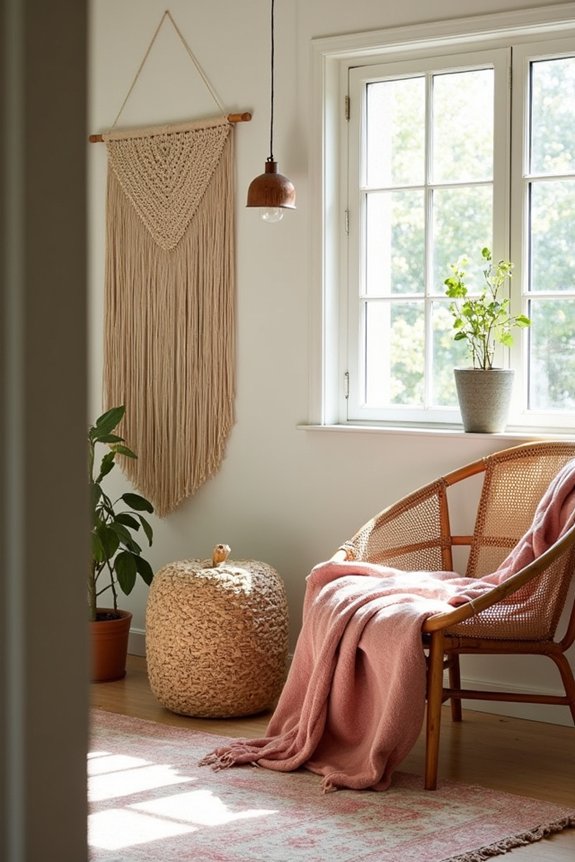
Instead of chaos, we’re creating intentional rooms with a cohesive neutral base of whites, creams, and light grays. We’re still layering textures through rattan, macramé, and kilim textiles, but strategically. Global influences remain central—they’re just organized rather than chaotic.
Think of it as bohemian with boundaries. We’ve traded cluttered maximalism for what I call “strategic maximalism.” Fewer focal points mean each piece matters more. Modern furniture mixes beautifully with handmade vintage finds, creating that lived-in feel without the overwhelming sensory overload.
You’re embracing boho’s soul while respecting your sanity.
Building Your Color Palette: Neutrals, Jewel Tones, and Earthy Warmth
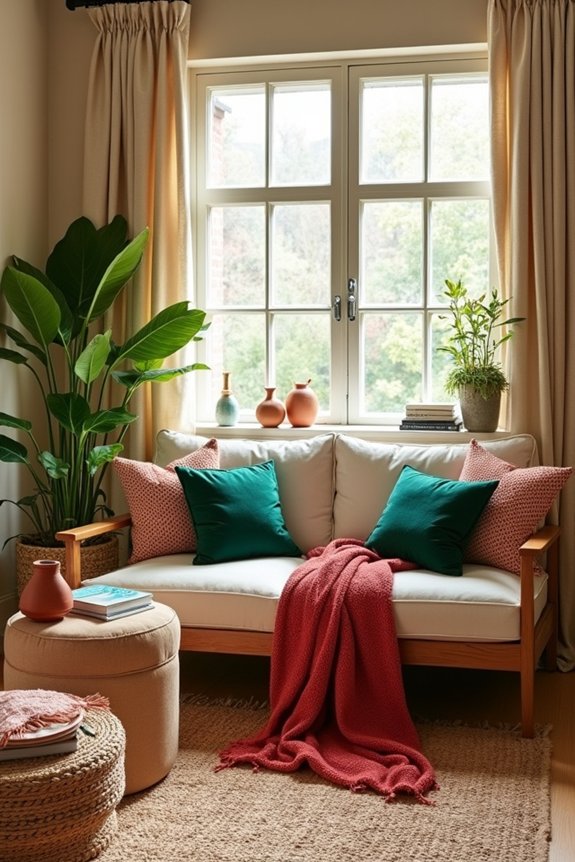
Since modern boho ditches the anything-goes color chaos of traditional bohemian style, you’ll want to be intentional about the palette you’re building. I start with neutral tones—whites, creams, light grays—as my foundation for large surfaces. This creates breathing room.
Next, I layer in earthy warmth through warm browns, terracotta, muted greens, and sandy beiges. These colors feel grounded and connected to nature, which is what bohemian decor craves.
Here’s where it gets fun: I introduce jewel tones as accents. Rich blues, burnt oranges, and warm golds energize the space without taking over. Think throw pillows or artwork.
Finally, I soften everything with pastels—sage green, dusty mauve, soft moss. Pairing neutral furniture with colored decor keeps my color palette harmonious and balanced. That’s the modern boho sweet spot.
Layering Textures and Patterns Without Overwhelming Your Space
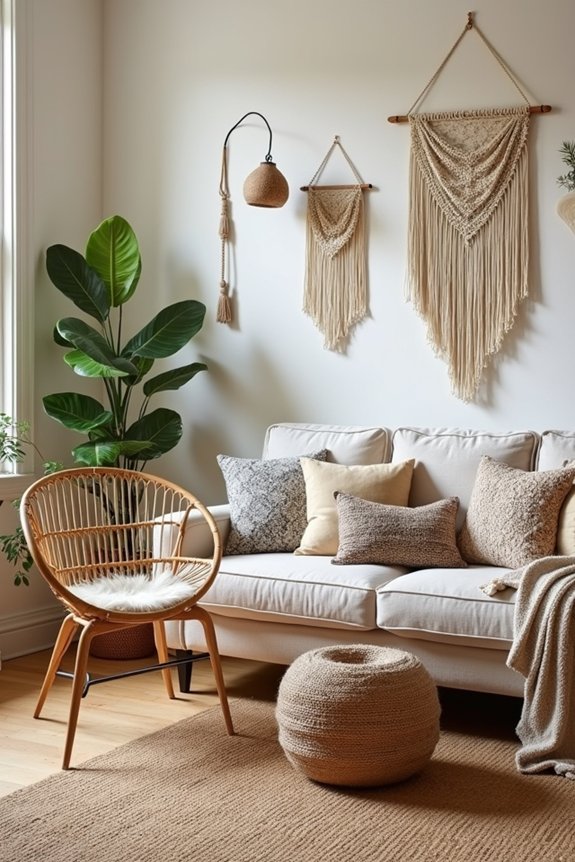
I’ve learned that strategic pattern mixing and thoughtful texture balance are what separate a carefully planned boho space from one that looks like you raided a vintage market and couldn’t decide what to keep. The trick is choosing which patterns play the lead role and which ones support them—think of it like a musical arrangement where not every instrument solos at once. When you pair these techniques with intentional restraint, your modern boho room will feel rich and layered rather than chaotic.
Strategic Pattern Mixing Techniques
The beauty of boho design lies in its seeming chaos—yet here’s the secret: it’s actually calculated. I’ve learned that successful pattern mixing starts with a cohesive color thread connecting your choices. You’ll want to vary scales strategically: pair large geometric prints with medium florals and small geometric accents. This prevents visual exhaustion.
| Scale | Example | Purpose |
|---|---|---|
| Large | Statement wall tapestry | Creates focal point |
| Medium | Patterned pillows | Adds visual interest |
| Small | Accent throw details | Ties palette together |
Start on a neutral base—cream or light gray walls give your patterns room to breathe. Layer patterns within the same color family, balancing bold designs with solid pieces. This maximalist layering approach keeps your space inviting rather than chaotic. You’re creating harmony through intentional choices, not accident.
Balancing Texture With Restraint
Now that you’ve got your patterns working together, here’s where a lot of people stumble: they go overboard with textures and think more is always better. I’ve been there—drowning in throw pillows I didn’t need.
The approach? Restraint. Start with a neutral base like cream or light gray for your major surfaces. This breathing room lets your layering textures actually shine instead of competing for attention.
Introduce earthy tones—terracotta, warm browns, sage—as warm accents that ground the space. Mix patterns within the same color family, varying their scales so nothing clashes.
Here’s what works: blend natural textures like woven rattan, linen, and jute with man-made pieces. Use a few focal boho elements—a quilted throw, standout wall art—to anchor everything. This approach gives you that rich, layered aesthetic without overwhelming your calm sanctuary.
Mixing Patterns Like a Pro: The Color-Thread Method
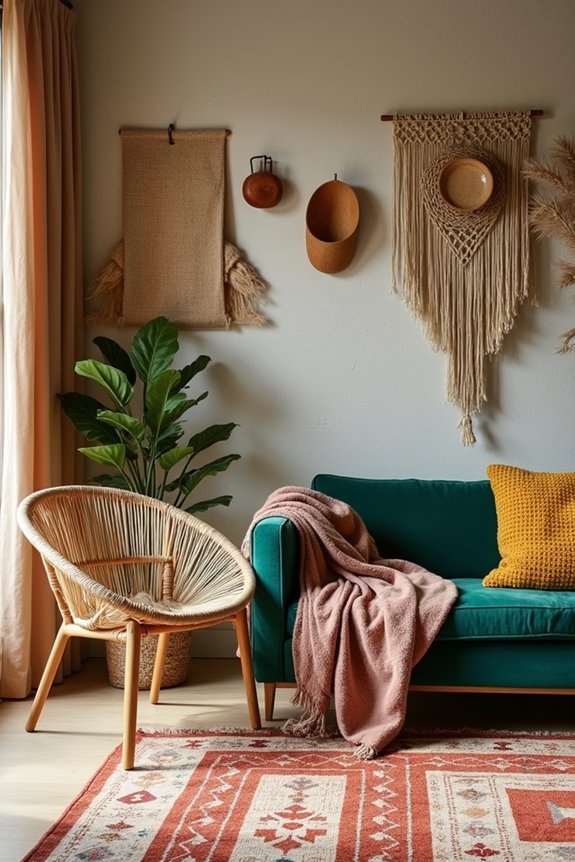
I’ll share the color-thread method, which means you pick one color that’ll run through all your patterns like a unifying element. Once you’ve got that color locked in, you can layer bold, clashing prints without everything looking chaotic—just balance those designs with solid-colored pieces that share that same color thread. Think of it like this: if turquoise is your thread, throw a geometric print pillow next to a solid cream one, add a turquoise throw, and suddenly your boho space feels organized instead of chaotic.
Unifying Colors Through Patterns
How do you mix a Suzani rug with an Ikat pillow without creating visual chaos? Color cohesion matters. By anchoring everything to a neutral palette and shared hues, pattern layering becomes manageable—even enjoyable.
Here’s my approach to coordinated textiles:
- Select one dominant color thread (cream, terracotta, or sage) that runs through all global motifs
- Layer patterns in different scales—small geometric prints paired with large Berber designs
- Ground bold prints with solid-colored furnishings in complementary neutrals
- Introduce jewel accents sparingly through pillows and throws for visual interest
I start with a light base and build outward. This method turns what feels like textile chaos into a coordinated, deliberate space where each kilim and throw actually works together.
Balancing Prints With Solids
The approach to mixing boho prints without overwhelming a space starts with pattern coordination with intention. Begin by choosing one dominant color—say, warm terracotta—then build prints and solids around it. This color harmony keeps everything feeling connected, even when patterns clash.
Mix bold prints with neutral solids strategically. A patterned throw pillow pairs beautifully with a cream linen sofa. A geometric rug grounds busy wallpaper. This eclectic balance prevents visual chaos while honoring boho’s adventurous spirit.
| Element | Approach |
|---|---|
| Large Surfaces | Neutral solids |
| Accent Pieces | Patterned prints |
| Color Thread | Consistent throughout |
| Scale Variation | Mixed sizes |
The key is to never let prints compete. Instead, let them support each other through shared colors and thoughtful placement.
Sustainable Materials That Ground Modern Boho Design
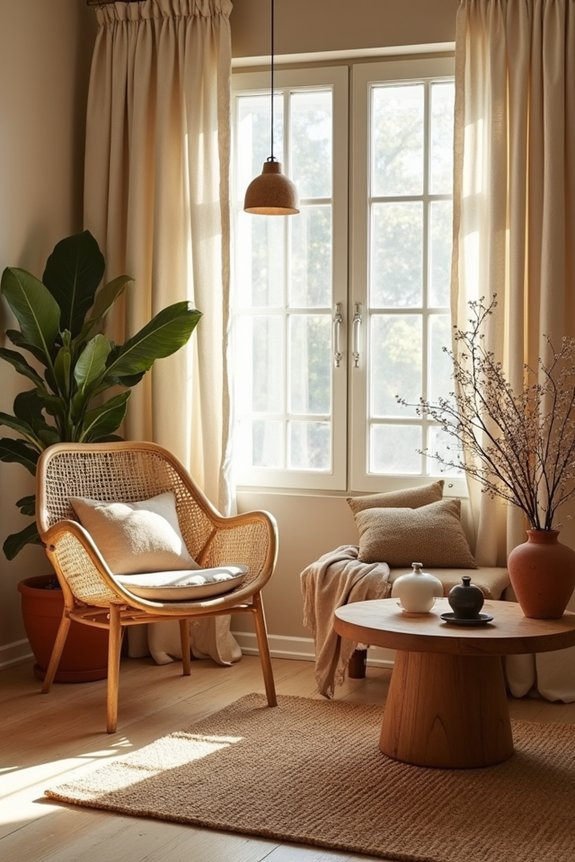
Since sustainability’s become less of a buzzword and more of a practical necessity, modern boho design’s leaning hard into materials that don’t trash the planet. Choosing sustainable materials and eco-friendly textiles creates spaces that feel grounded rather than just aesthetically pleasing.
Here’s what works best:
- Reclaimed wood and bamboo for furniture that tells a story while reducing waste
- Organic cotton and hemp textiles that soften your space without harming habitats
- Natural textures like cork, jute, and rattan that provide warmth and authenticity
- Upcycled and vintage pieces that prove durable goods outlast trendy shortcuts
The key is prioritizing durable pieces over disposable ones. You’re not just decorating—you’re building a home that reflects your values. That’s the real heart of modern boho.
Plants as Design Anchors: Placement, Scale, and Impact
When I started styling my space, I realized plants weren’t just green decorations—they’re the backbone of modern boho design, and where you place them matters just as much as which ones you choose. I’ll show you how to use strategic placement and smart scaling to turn your greenery into visual anchors that draw the eye and create depth, rather than just cluttering shelves. Think of it like arranging furniture: you need height variation, intentional spacing, and a mix of plant types to make your room feel deliberately designed instead of randomly planted.
Strategic Plant Placement Techniques
How do you organize a room full of scattered potted plants into a cohesive green statement? Strategic placement works because it creates order from disorder. Here’s what actually works:
- Anchor with height – Position tall specimens near corners or beside furniture to create a visual anchor that draws the eye upward
- Layer your planters – Vary heights using stands and shelves so plants don’t compete visually
- Claim vertical space – Hang trailing vines and pendant plants to maximize walls without eating floor real estate
- Cluster strategically – Group succulents, ferns, and trailing varieties together for texture and natural-looking abundance
Bunching plants creates visual rhythm rather than scattered awkwardness. Near windows where light hits naturally, your greenery thrives while anchoring the entire room. You’re not just decorating—you’re building layers that serve a purpose and show planning.
Scaling Greenery For Visual Impact
Why do some rooms feel alive with greenery while others just look cluttered? It comes down to scaling. Varying heights create visual rhythm—think towering fiddle leaf figs anchoring corners, mid-size plants filling shelves, and trailing varieties cascading from heights. This layered approach gives your space natural warmth and prevents that “plant explosion” feeling.
| Plant Scale | Best Placement | Visual Role |
|---|---|---|
| Tall (4-6 ft) | Corners, beside furniture | Structural anchors |
| Medium (2-3 ft) | Shelves, tables | Focal points |
| Small (under 2 ft) | Windowsills, edges | Connecting elements |
Mix planters intentionally—woven baskets, terra-cotta, and patterned ceramics—to enhance texture. Varying heights across different planters prevents monotony while maintaining that inviting boho atmosphere.
Vintage and Handmade Pieces: Sourcing Objects That Tell Your Story
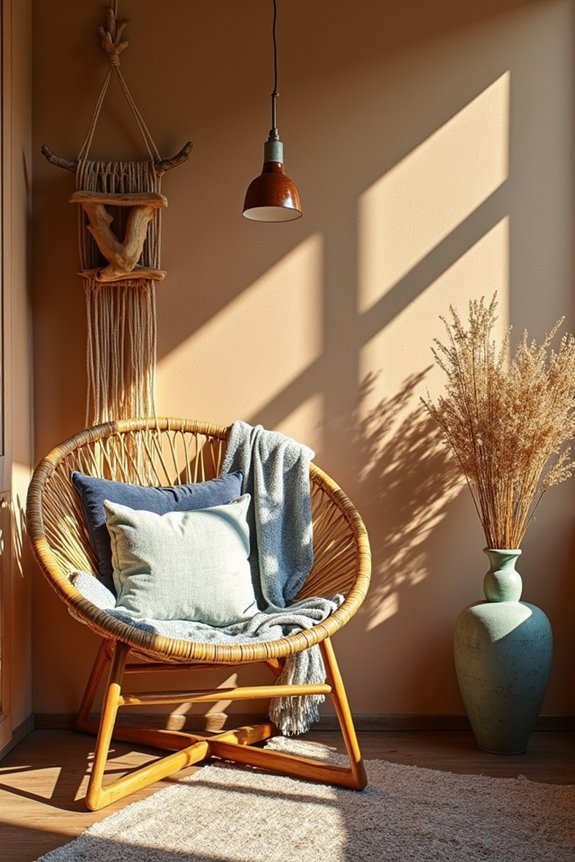
Vintage finds aren’t just objects; they’re conversations. When you source handmade pieces from estate sales, consignment stores, and Etsy, you’re collecting stories. The patina tells you where something’s been. Those worn edges? They’re proof of a life lived.
- Hunt antique shops for distressed mirrors and plush vintage chairs
- Explore estate sales for one-of-a-kind ceramics and woven wall hangings
- Browse Etsy for artisanal goods supporting independent designers
- Visit garage sales for unexpected treasures with authentic character
Resist refinishing. That weathered look belongs in your space. Embrace the storytelling. You’re not decorating—you’re building a collection that represents who you are, complete with the history and character that comes with it.
Where to Find Authentic Vintage and Boho Pieces
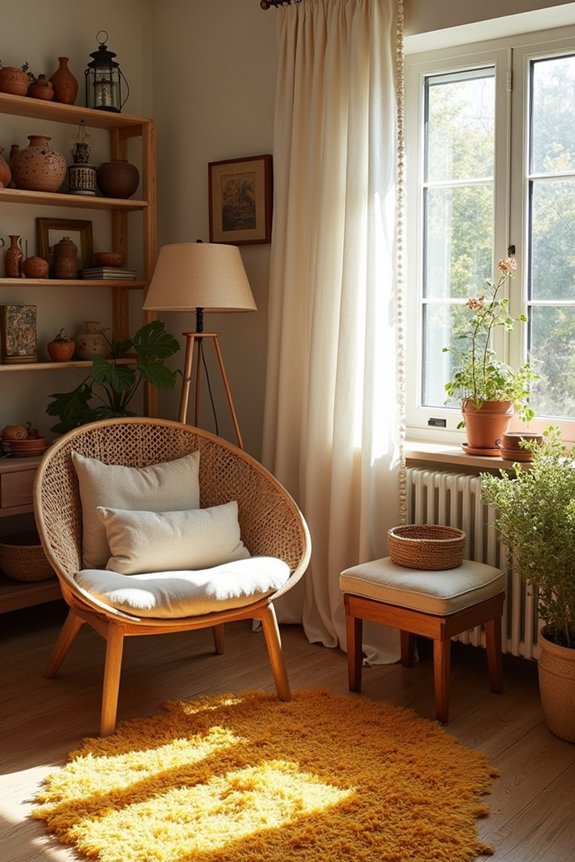
So where do you actually *find* these treasures that’ll make your space feel lived-in and personally yours? I hunt through antique shops and consignment stores first—they’re goldmines for vintage pieces with character. Estate sales offer deeper dives into curated collections, though you’ll need patience and caffeine. Garage sales? They’re unpredictable but thrilling. Then there’s Etsy, where I’ve discovered hand-painted ceramics and kilim pillows from makers worldwide. The hunt itself matters. You’re not just buying objects; you’re collecting stories. Don’t rush. Skip the urge to refinish everything—that patina and worn edges? They’re exactly what make boho spaces feel genuine. Your space becomes a reflection of your journey, not a catalog page.
Modern Boho Bedrooms: Comfort Meets Wanderlust
How do you create a bedroom that whispers invitation instead of shouting for attention? The answer lies in balancing comfort with wanderlust through thoughtful choices.
Start with neutral base tones—whites, creams, and soft grays—that create calm. Then layer in natural materials like linen and cotton for texture. Here’s what works in a bedroom:
- Hang plants from corners and shelves to bring greenery into the space
- Mix modern furniture with bohemian textures like rattan and macrame accents
- Add jewel-toned or earthy pops against your soft palette for visual interest
- Install warm ambient lighting through table lamps and string lights
These elements work together, creating a lived-in vibe that feels like your own—a retreat where wanderlust meets genuine comfort.
Modern Boho Living Rooms: Light, Warmth, and Layered Textures
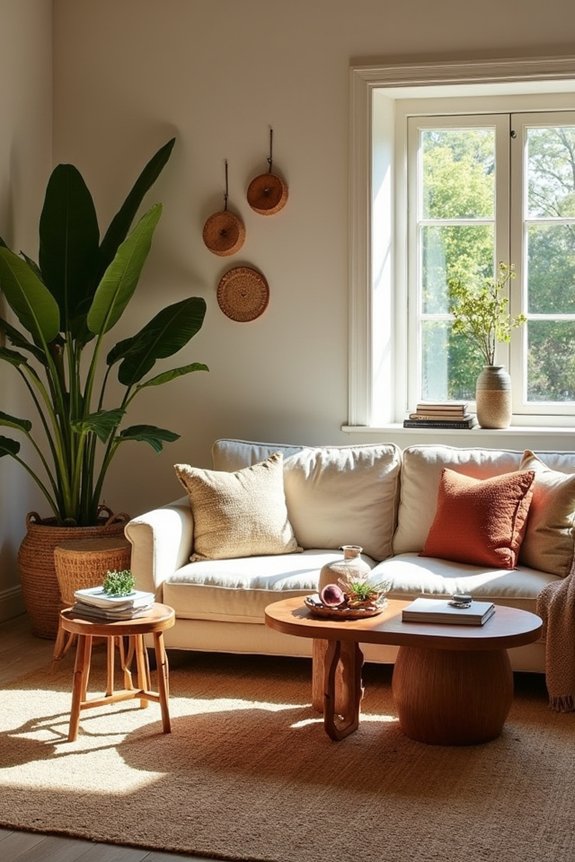
Where does a living room go wrong? Usually when it feels sterile or cluttered. I’ve learned that modern boho living rooms strike a perfect balance by layering textures thoughtfully. Start with neutral walls in whites and soft browns, then add rattan furniture and woven textiles for warmth. Here’s what works: incorporate greenery through large plants and hanging varieties in terra-cotta planters. For ambient lighting, skip harsh overheads. Instead, use yellow-toned lamps and indirect sources that create coziness. Add jewel-tone accents like deep blues or burnt oranges sparingly. The approach? Anchor everything with natural materials and a few statement focal points. This prevents visual chaos while keeping that inviting, lived-in feeling we’re all after.
Modern Boho Dining: Global Textiles, Clean Lines
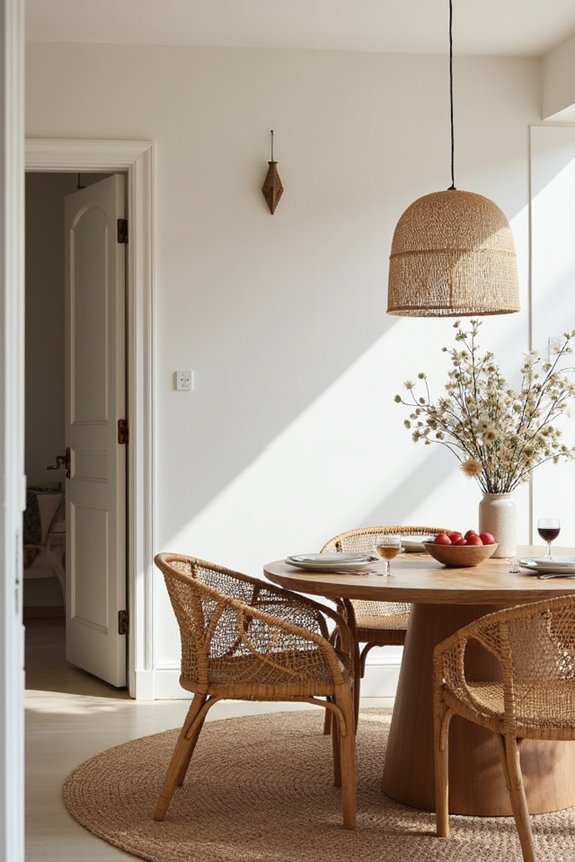
Why does a dining table sometimes feel either too formal or too chaotic? Modern bohemian dining strikes that perfect balance I’ve been searching for. I’m discovering that blending global textiles with clean lines creates a space where I actually want to linger over meals.
Here’s what works in my dining area:
- Patterned runners and napkins layered over streamlined tables ground the boho decor
- Woven napkin rings paired with earthy palettes and jewel-tone accents keep things refined
- Scandi-inspired cups and minimalist furniture prevent the space from feeling cluttered
- A few standout global textiles create warmth without overwhelming the room
This modern bohemian approach lets me express my style while maintaining calm, thoughtful spaces. I’m learning that restraint matters—when those pieces resonate with me.
Lighting, Balance, and the Art of Intentional Abundance
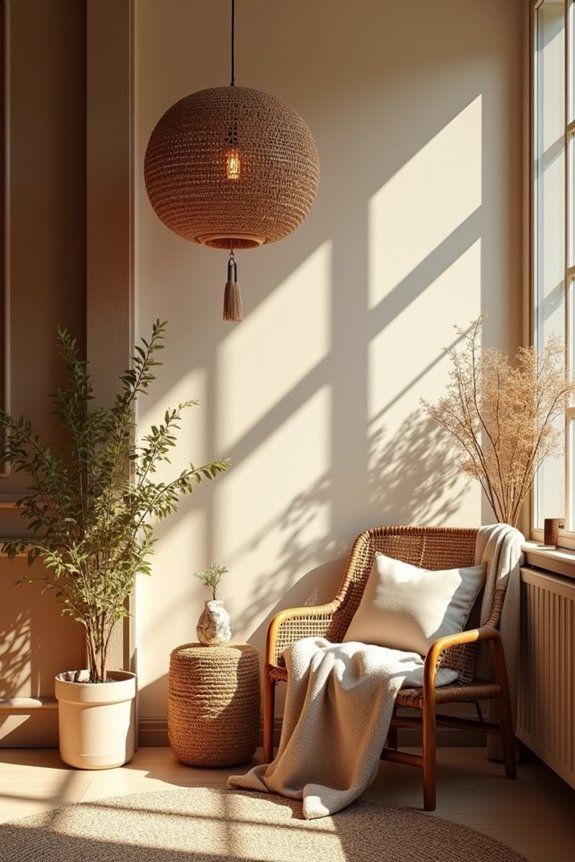
When I finally switched out my harsh overhead lights for warm, layered lighting, my whole dining space changed—and I realized this is where modern boho really comes alive. I discovered that intentional abundance isn’t about stuffing your room with everything you love. Instead, it’s about thoughtfully layering textures and colors across key surfaces while keeping things open. I anchored my space with neutral bases—cream walls, a light gray rug—then added jewel-toned accents strategically. Natural materials like rattan and wood became my unifying glue, tying diverse elements together. By introducing warm, indirect light through multiple fixtures, I created cozy focal points without clutter. The balance? Choosing one standout art piece or curated shelf prevents overwhelming the room. This restraint actually lets your space feel more inviting and genuinely yours.